CNC Machining
Specifying Anodizing for CNC Parts: Type II vs Type III
How to call out anodize on a drawing: Type II vs hard coat, color reality on 6061 vs 7075, mask-planning and the tolerance shift nobody mentions.
2026-10-06 · CNC Machining · 8 min read · by MOMAKING Engineering
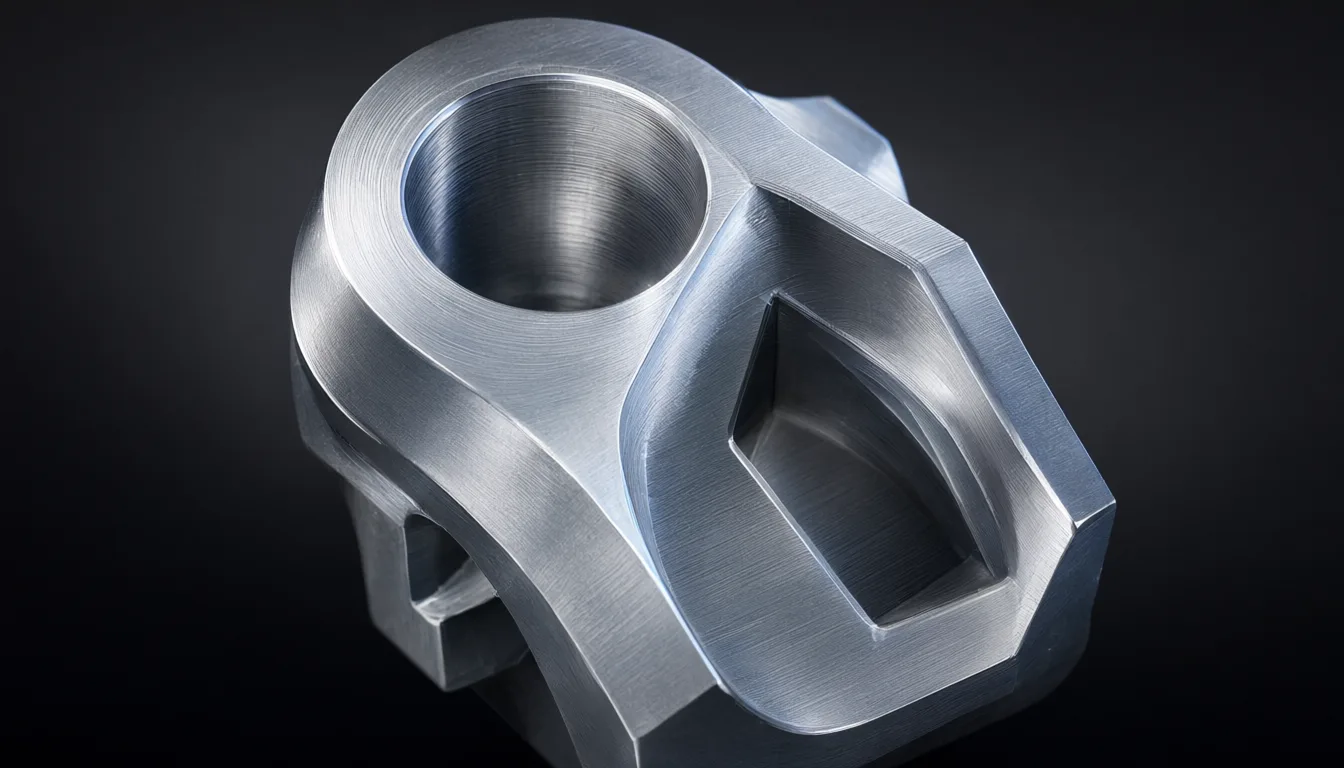
"Anodize black" on a drawing is three decisions pretending to be one: which type, what color reality, and what happens to your dimensions. Get any of the three wrong and the parts arrive right and rejected anyway.
Type II vs Type III in One Paragraph
Type II (sulfuric, ~15-25 μm) is the decorative default: color-fast, corrosion-resistant, modest wear life, dimensionally polite. Type III (hard anodize, ~40-80 μm) is engineering: abrasion-resistant, electrically insulating at pinholes-free quality, darker-staining base that dyes less vividly — and it grows the part. If a machinist ever tells you hard coat "adds clearance problems," this is why.
The Dimension Shift Nobody Mentions
Anodize grows roughly 50% of its thickness outward. A 25 μm Type II coat adds ~12 μm (0.012 mm) per surface; a 60 μm Type III adds ~30 μm per surface — inside bores shrink, outside shafts grow, and a slide fit designed to ±0.02 mm suddenly isn't. Practical rules we machine by:
- Ship-fit diameters: machine undersized by ~0.6x expected coat growth before Type II, or mask.
- Threads: anodize stiffens then eats them; specify unmasked only where corrosion demands, otherwise plug or mask and tap after.
- Press fits and bearing seats: mask, or machine-to-size after coating where geometry allows.
- Electrical contact surfaces: anodize is an insulator; mask your contact pads or plan for localized abrasion.
Color Reality by Alloy
6061 dyes clean — true blacks, crisp reds, that logo-blue everyone wants. 7075's zinc/copper content dyes grey-bronze no matter what the Pantone says; we show customers the 7075 black swatch before they promise it to their industrial designer. Casting alloys (A380) anodize to earthy greys. Cosmetic programs choose alloys by color ambition; that conversation belongs in DFM, not in an RMA.
Calling It Out on the Drawing (Copy This)
That one line answers everything the anodizer would have emailed back. Masking lists save the most money of any finishing note on a sheet, and the pre/post measurement note stops dimensional arguments before they start.
Cost, Lead and the Same-Week Lane
Type II black on 6061 is commodity-cheap per part; hard coat prices by tank time and masking hours. The batch effect is real: anodize runs in racks, so parts sharing a color and type ride together — mixing a single red part into a black rack is a surcharge, not a favor. At MOMAKING anodize is same-week on prototypes because the line is in the building; for production batches the finishing queue shows in the quoted date, honestly.
When Not to Anodize
- Thin sheet parts where coat buildup jams snap fits — consider passivation or conductive film.
- High-wear sliding surfaces beyond hard coat's comfort — consider nickel plate or design the wear pad.
- Parts that will see 7075-colored-black expectations in 6061-colored-black budgets — pick the alloy to the swatch.
Drawing review, mask plans and the alloy-color swatch list are free with any quote — send it to opheliamyers221@gmail.com or drop it in WhatsApp +1 315-623-3808 marked "anodize questions".
Get this part priced
Upload your STEP file - AI quote in seconds, engineer-verified quote within 24 hours.