High-Volume Metal Line
Aluminum & Zinc Die Casting Manufacturer — China Factory Direct
MOMAKING die casts aluminum (A380/A360) and zinc housings, brackets and heat-sink bodies — die tooling, casting, CNC finishing, impregnation and coating under one PO, with DFM marking porosity and wall risks before steel.
Die + cast + machine + finish in one factory · leak-tight impregnation · CT11-13 standard
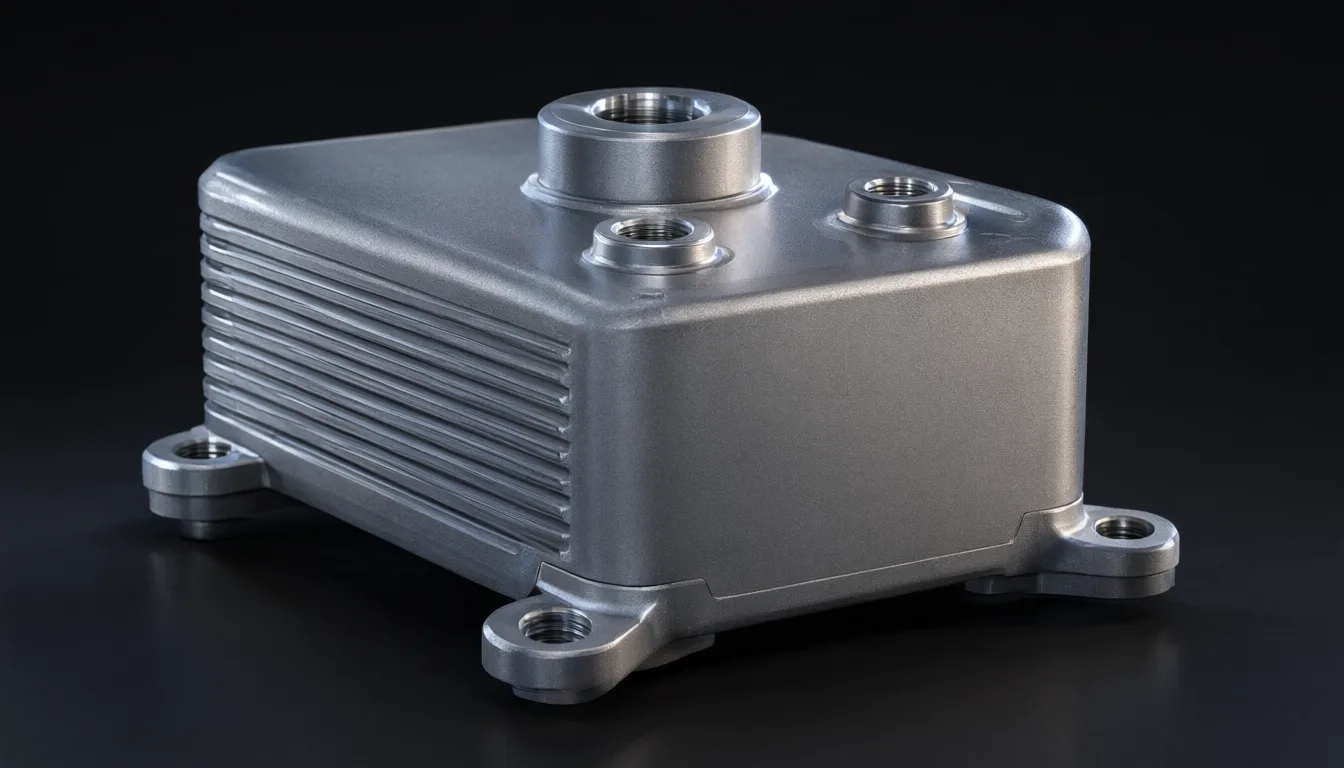
Why Die Casting, and Where It Wins
Die casting is how thin-walled aluminum hardware gets cheap at volume: molten metal injected into a hardened steel die at high pressure yields net-shape housings with integrally-cast ribs, bosses and thin walls in seconds per shot. At 5,000–1,000,000 parts a year, nothing touches its per-piece cost — motor and LED housings, gearbox shells, drone frames, power-tool bodies, automotive brackets and heat sinks are this line's daily output.
The honest flip side is what DFM exists for: die tools cost real money and months, as-cast surfaces show ejector and gate marks where the design allows, and section-thickness mistakes breed porosity that only shows in machining or a leak test. MOMAKING's advantage is the attached factory — the CNC floor that finishes your castings, the plating and coating lanes, and the print shop that soft-tools a pilot batch before you commit to the die. One engineering file, one owner of the outcome.
From Drawing to Pallet
1. Casting DFM (free): wall bands, draft, rib heights, gate/overflow/ejector map marked on your CAD — including the cosmetic surface list that decides where marks may live.
2. Die build (30–45 days): H13 hardened tooling cut on our 5-axis and EDM floors; weekly bench photos.
3. T1 castings: first shots trimmed and sent with x-ray/section porosity report where critical.
4. Downstream in-house: CNC datums, impregnation for leak-tight pressure parts, powder coat or plating-ready prep, assembly and packaging.
5. Production: scheduled cells, AQL inspection plans, lot traceability, global freight ex-Shenzhen.
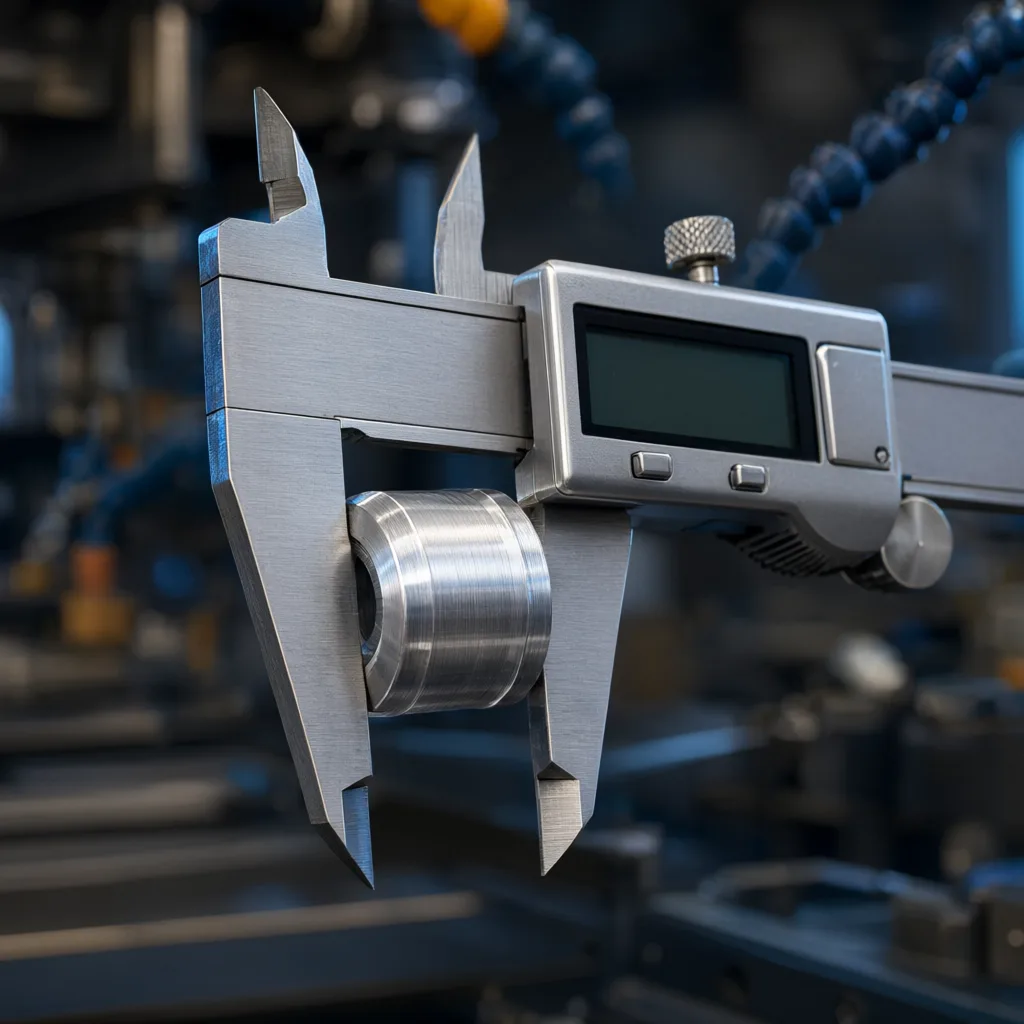
Die Casting Capability Snapshot
| Item | Capability |
|---|---|
| Alloys | Aluminum A380, A360, A383; Zinc ZA-3, ZA-5, ZA-8 |
| Part weight | ~20 g hardware to ~4 kg structural housings |
| Wall band | 0.8-4 mm (typ. 1.5-2.5 mm aluminum) |
| As-cast tolerance | CT11-13 per GB/T 6414 grade system |
| Machined datums | ±0.02-0.05 mm on in-house CNC |
| Options | Impregnation, heat treat (T6 where alloy allows), powder coat, plating prep, assembly |
| Die life | 100k-500k+ shots maintained; refurbishment service available |
Program economics start in low thousands/year; below that we price CNC-from-billet or sand casting instead of overselling a die.
Frequently Asked Questions
What alloys do you die cast?
What is the tool lead time?
What tolerance is realistic on die cast parts?
Minimum order quantity?
Can you do the finishing too?
Do you help with casting-specific DFM?
Porosity: The Enemy Named, Not Hidden
High-pressure die casting fills a die in milliseconds, and milliseconds entrain air: bubbles land in the casting, and where thick sections cool last, shrink voids join them. Every die cast part carries porosity — the craft is placing it where it does not hurt. Gate speed and overflows steer the turbulent front and the dross it carries into scrap metal (the overflow, changed at each shot) rather than the part wall. Section design keeps walls in a narrow band (aluminum's sweet window near 1.5–2.5 mm) so solidification runs orderly instead of fighting itself. And when a part must be pressure-tight — a pump body, a hydraulic manifold, a gearbox shell — vacuum-assist casting pulls gas ahead of the fill, and impregnation seals the remaining micro-interconnected pathways: parts soak in resin sealing solution, excess is wiped, the polymer cures inside the pores and the casting passes a 3-bar hold test with a report. The buyer-relevant rule: porosity becomes your problem only when your drawing demands things porosity hates — deep machining into a section that will open sub-surface voids (specify depth limits and we locate void-tolerant machining stock accordingly), X-ray zones (specify the zone, get the film), or weldability (die-cast alloy welding is a specialty conversation, decide it at DFM or accept mechanical joining). Every one of these is solvable in the marked-up CAD stage, expensive after T1 and catastrophic at 50k.
Heat Treat, T5/T6 and the Blister Warning
Die-cast parts arrive soft (as-cast F temper); performance parts often want more. T5 is a paint-bake-grade artificial age — modest strength gain, no dimensional surprise, safe under powder coat. T6 (solution treat + age) unlocks the real strength of AlSi alloys but fights two cast reality checks: solution temperatures make entrapped gases expand, and parts with porosity and thick sections can blister under heat, plus T6 distorts parts by tenths of a millimeter — which is precisely where in-house CNC after treat (not before) earns the program. Vacuum-casting + vacancy-controlled T6 lanes exist for structural aerospace-grade demands; they cost and they perform, and the quote says which lane your load case asked for. The one-line buyer rule: if the part is painted or powder coated and not structural, T5 or nothing; if the part is structural, talk to an engineer before you write T6 on the drawing, because alloy choice, gate scheme and wall design all change upstream of it.
Parting Line, Ejector and Draf: What Die Cast Surfaces Reveal
Die cast parts advertise their process: the parting line belt around the middle, ejector-pin circles on the hidden face, rib witness from the overflow side. None of that is negotiable at physics level, only at design level. The buyer's leverage is placement: draw your cosmetic faces off the parting belt, agree the ejector map on non-visible bosses, and give draft generously — die casting wants 2° on external walls, 1° internal, more on texturized or deep draws, because aluminum sticks to steel hot and ejection scar is the alternative to drag marks. Where a sealing face must cross the parting (a cover flange), the die gets a precision match-off and the drawing gains a burr spec — both priced at quote, surprising on no invoice. A DFM that never shows you the parting line proposal is guessing; ours marks it on the first response, in red, where your product photos live.
Worked Example: The LED Housing That Was Quoted as Three Parts
A 220-gram LED downlight housing RFQ arrived asking for die casting at 50k/year — a volume where the die amortizes thinly. The quote returned three lanes: die cast with standard CT11 tolerance and machined thermal face ($2.10/pc at 50k, $17k die, 40-day tool); sand-cast-alternative gravity route (better for the thin decorative fins that a high-pressure fill would mis-fill at this wall band, $3.40/pc, no die cost, slower); and CNC-from-billet (right if the annual number is actually 8,000 not 50,000 — $6.80/pc, parts in two weeks, $0 tooling). The die-cast lane won on the confirmed 50k number, but the conversation changed one spec that paid: the thermal interface moved from a wide machined circle to a smaller boss the die could cast near-net, cutting CNC seconds from every part — $0.14 a piece, $7,000 a year, found by quoting the alternatives instead of only the requested one. Ask every die-casting supplier for the three-lane quote; the willingness to show the crossover is the difference between a foundry and an engineer with a foundry.
Die economics in one line: the die is fixed cost, the shot is variable; at 10k parts the die weighs almost everything and CNC wins; at 250k the die is pennies per part and die casting is unbeatable. Every number above follows that arithmetic and shows its work.
Is your part a die-casting part?
Send CAD with target volume - the quote answers die-vs-CNC honestly, with casting DFM marked up free.